
How to File an Insurance Claim for Auto Repair: A Complete Guide
Getting into a car accident is stressful enough on its own. Then comes the part that many drivers dread just as much as the collision itself: navigating the insurance claims process. Whether you've dealt with a minor fender bender in a parking lot or a more serious accident on a Long Island highway, knowing how to file an insurance claim for auto repair can make the difference between a smooth recovery and weeks of confusion, delays, and unexpected out-of-pocket costs. As we head into the summer of 2026, with road traffic picking up across Nassau County and surrounding areas, it's worth taking the time to understand exactly what the process involves before you ever need to use it.
The good news is that filing an auto insurance claim doesn't have to be overwhelming. With the right preparation and a trusted collision repair partner by your side, the entire experience can be far less painful than most people expect. The key is knowing what steps to take, what to watch out for, and where to turn for guidance when the process gets complicated. That's exactly what this guide is designed to help you with.
Why Understanding the Claims Process Matters
Many drivers assume that because they pay their insurance premiums every month, their provider will automatically handle everything after an accident. In reality, the claims process requires active participation from you as the policyholder. From documenting the damage correctly to choosing a repair shop and communicating with adjusters, there are multiple points in the process where a misstep can lead to delays, underpayments, or even a denied claim. Understanding the process in advance puts you in a much stronger position.
Some of the most common challenges drivers face when filing an insurance claim for auto repair include:
- Not having the right documentation ready — Missing photos, police report numbers, or the other driver's insurance information can slow everything down significantly.
- Confusion about coverage types — Many drivers aren't sure whether to file under their own collision coverage or the at-fault driver's liability policy, and the wrong choice can affect timelines and costs.
- Underestimated repair costs — Insurance adjusters may initially offer estimates that don't fully account for hidden damage, especially with modern vehicles that have complex structural components and advanced safety systems.
- Delays in the supplement process — When additional damage is discovered during repairs, a supplemental claim must be filed, which can extend timelines if not handled promptly and professionally.
- Pressure to use a specific repair shop — Insurers may direct you toward preferred shops, but in most states, including New York, you have the legal right to choose your own repair facility.
- Unclear communication from the insurance company — Policyholders are sometimes left in the dark about where their claim stands, especially during busy periods when adjusters are handling high caseloads.
These challenges aren't meant to discourage you — they're simply realities that informed drivers handle far more effectively than those who go in unprepared. And while every claim is a little different depending on your policy, the type of accident, and the extent of the damage, the fundamental process follows a predictable sequence of steps that you can learn and apply.
The Importance of Acting Quickly After an Accident
One of the most important things to understand about the insurance claims process is that timing matters. Most insurance policies require you to report an accident or file a claim within a reasonable timeframe, and waiting too long can complicate your case. In New York, as in most states, prompt reporting is generally in your best interest both from a policy compliance standpoint and from a practical one — memories fade, evidence disappears, and damage can worsen if a vehicle isn't properly assessed and protected after a collision.
Immediately after an accident, your priorities should be safety first, then documentation. Once everyone is safe and, if necessary, emergency services have been called, you should begin gathering as much information as possible at the scene. This lays the foundation for a claim that can be processed efficiently and fairly. Alpha Collision works with drivers throughout Long Island to help them understand what information they need and how to present it to their insurer, making the entire process easier from day one.
Understanding how to file an insurance claim for auto repair also means recognizing that you don't have to navigate the process alone. Experienced collision repair shops are often well-versed in working directly with insurance companies, handling documentation, communicating with adjusters, and advocating for repair approvals that reflect the true scope of the work needed. Choosing the right shop is, in many ways, just as important as filing the claim itself.
How to File an Insurance Claim for Auto Repair: A Step-by-Step Breakdown
Once you've caught your breath after a collision, the next priority is getting the claims process started as efficiently as possible. The good news is that filing an insurance claim for auto repair doesn't have to be overwhelming when you break it down into clear, manageable steps. Whether you're dealing with a minor fender bender or more significant damage from a summer storm — and Long Island has seen its share of heavy weather heading into June 2026 — following a structured approach can save you time, stress, and potential out-of-pocket costs.
Step 1: Gather All Necessary Documents and Information
Before you pick up the phone or log into your insurer's app, take time to collect everything you'll need. Being prepared upfront prevents delays later and gives your claim a much stronger foundation. At the scene of the incident, if it's safe to do so, gather as much information as possible.
- Photos and video footage of all vehicle damage, road conditions, traffic signals, and surrounding context
- The other driver's information , including their full name, contact details, license plate number, driver's license number, and insurance provider
- A copy of the police report , if law enforcement responded to the scene — this document carries significant weight with insurers
- Witness contact information , if any bystanders observed the incident
- Your own insurance policy number and the name of your insurance agent or company
- A written account of events while the details are still fresh — include the time, date, location, weather conditions, and a clear description of what happened
Having this information organized before you initiate a claim helps prevent back-and-forth with your insurance company and reduces the likelihood of your claim being delayed due to missing documentation.
Step 2: Contact Your Insurance Company Promptly
Most insurance policies require you to report an accident within a reasonable timeframe, and some have strict windows that can affect your eligibility for coverage if missed. Once you have your documents in order, contact your insurer directly — either through their claims hotline, mobile app, or online portal — and provide a clear, factual account of the incident.
During this initial contact, your insurer will typically assign a claims adjuster to your case. The adjuster's role is to assess the damage to your vehicle and determine how much the insurance company will pay toward repairs. It's worth understanding that you are not required to accept the first repair estimate provided by your insurer, and you generally have the right to choose your own repair facility. This is an important point that many drivers overlook.
Here's what to be prepared for during this step:
- Answering detailed questions about the accident, your vehicle, and the extent of the damage
- Scheduling a vehicle inspection with the assigned adjuster, which may happen at the repair shop or at a separate inspection location
- Reviewing your policy's deductible — the amount you'll be responsible for paying before insurance coverage applies
- Asking about rental car coverage if your vehicle will be in the shop for an extended period
- Clarifying whether your policy covers OEM (original equipment manufacturer) parts versus aftermarket alternatives
Keeping clear notes during every call — including the name of the representative, the date, and a summary of what was discussed — creates a paper trail that can be valuable if any disputes arise later in the process.
Step 3: Submit Your Claim and Stay on Top of Follow-Up
After your initial report and vehicle inspection, formally submitting your claim is the next key step. Your insurer will guide you through their specific process, but generally this involves confirming the details of the incident, authorizing the damage assessment, and agreeing on a repair facility. Once submitted, your claim will be reviewed and a settlement offer or repair authorization will be issued.
Don't assume that submitting the claim means the process runs on autopilot from there. Staying actively involved in the follow-up phase is important. Check in with your insurer regularly to confirm the status of your claim, especially if you haven't heard back within the timeframe they quoted. If additional damage is discovered during the repair process — something that happens frequently with collision work, where hidden structural damage isn't visible until a vehicle is partially disassembled — make sure the shop communicates directly with your insurer to supplement the original claim.
Choosing a repair shop experienced in working with insurance companies can make a significant difference here. Facilities familiar with the claims process know how to document supplemental damage properly, communicate effectively with adjusters, and advocate on your behalf to ensure the full scope of necessary repairs is covered. For drivers across Long Island looking for that kind of support, Alpha Collision's collision repair services are designed to take as much of this burden off your plate as possible — from the initial estimate through final repair approval.
A few additional follow-up tips worth keeping in mind:
- Request a written copy of the final claims decision and repair authorization before work begins
- Review the repair estimate carefully and ask questions about any line items you don't understand
- Confirm the expected repair timeline with the shop so you can plan accordingly
- Keep copies of all claim-related correspondence, receipts, and documentation in one place
Filing an insurance claim for auto repair is rarely a one-step process, but breaking it into these phases — gathering information, reporting to your insurer, and actively following through — makes it far more manageable. The drivers who tend to navigate this process most smoothly are those who stay organized, ask questions, and work with a repair facility that understands the full claims landscape.
How a Trusted Collision Shop Makes the Insurance Process Easier
Even with a clear understanding of the steps involved, filing an insurance claim for auto repair can still feel overwhelming — especially if you're doing it alone. Communicating with adjusters, ensuring your estimate is accurate, and making sure approved repairs actually meet the standard your vehicle deserves all take time and know-how. That's where working with the right collision shop changes everything.
Alpha Collision is built around making this process as smooth as possible for drivers across Long Island. From the moment you bring your vehicle in, the team works alongside you — not just as a repair shop, but as a genuine advocate throughout the claims experience.
Free Estimates That Give You a Clear Starting Point
One of the first things you'll need when filing a claim is an accurate damage assessment. Alpha Collision offers free estimates, giving you a detailed, professional evaluation of your vehicle's condition before any work begins. This is more than just a cost breakdown — it's the documentation that supports your claim and helps ensure your insurance company has everything they need to process it fairly.
Having a thorough, professional estimate in hand from the start puts you in a much stronger position when dealing with your insurer. It reduces the chance of disputes, speeds up approvals, and sets realistic expectations for the repair timeline.
Working Directly With Insurance Companies
Navigating back-and-forth communication between a repair shop and an insurance company is one of the most frustrating parts of the claims process for most drivers. Alpha Collision works with insurance companies directly, helping to streamline the coordination so you're not stuck in the middle trying to relay information between two parties.
This kind of support can make a real difference, particularly when it comes to:
- Ensuring the insurance estimate reflects the actual scope of repairs needed
- Communicating any supplemental damage discovered once work begins
- Keeping the repair timeline on track so your vehicle is returned to you as quickly as possible
- Providing documentation and photos insurers require to process and close the claim
When your shop and your insurer are aligned from the beginning, the entire process tends to move faster and with fewer surprises.
Quality Repairs That Protect Your Investment
Getting your claim approved is only part of the equation — the quality of the repair work itself determines how well your vehicle performs and holds its value after a collision. Cutting corners during the repair process, even with insurance approval, can lead to lasting problems down the road.
Alpha Collision's commitment to quality means that every repair is carried out with the attention to detail your vehicle deserves. Whether the damage is cosmetic, structural, or involves components like auto glass or paint, the goal is always to restore your car to its pre-accident condition.
As you work through the claims process this summer, here are a few things worth keeping in mind:
- Always get a professional estimate before accepting an insurance payout
- You have the right to choose your own repair shop — your insurer cannot require you to use a specific facility
- Document all communication with your insurance company throughout the process
- Ask your shop about any warranties on parts and labor before authorizing repairs
- Follow up with your insurer if you haven't received a response within a reasonable timeframe
Don't Let a Claim Hold You Back This Summer
June is one of the busiest times on Long Island roads, and accidents happen even to the most careful drivers. Whether you've just been in a fender bender or are dealing with more significant collision damage, the sooner you act, the sooner you can get back behind the wheel with confidence.
The good news is that you don't have to figure this out on your own. From your first call through to picking up your finished vehicle, Alpha Collision is here to guide you through every step — including the insurance side of things that so many drivers find confusing or stressful.
Ready to get started? Visit Alpha Collision's collision repair page to schedule your free estimate and find out how the team can help simplify your insurance claim today. Don't wait — getting a professional assessment early makes the entire process faster, smoother, and less stressful from start to finish.
SHARE THIS POST:
Author:
Alpha Collision & Car Care
Alpha Collision & Car Care provides expert auto repair, collision restoration, and maintenance services to keep your vehicle running smoothly and looking its best. With precision, quality, and customer satisfaction, we ensure your car is safe, reliable, and road-ready.
Get in touch
We're Ready To Assist You Anytime
Blog - Website Form
Search an article
Blog
Recent Articles


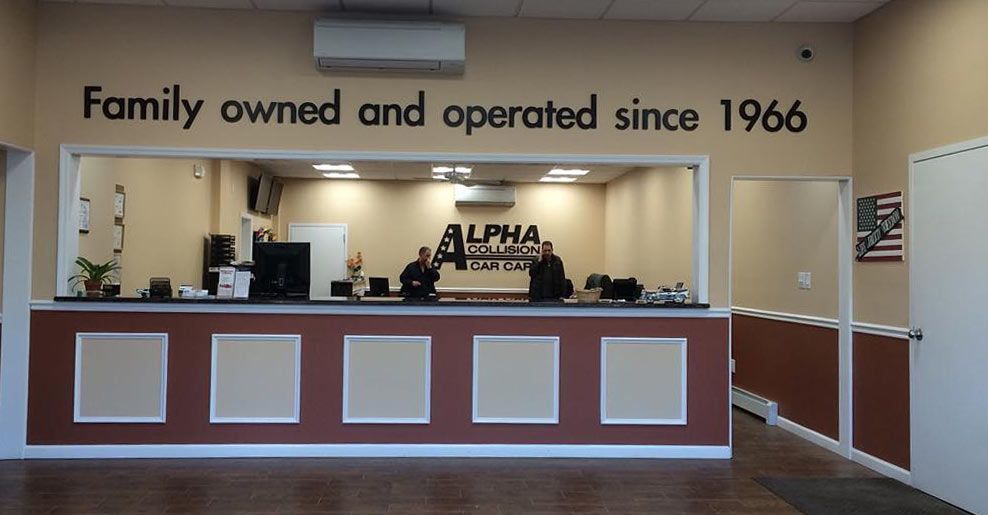
GET HELP WITH YOUR INSURANCE CLAIM
Reporting an insurance claim can be a major inconvenience. Call Alpha, we can make your insurance claim seamless.
Sign Up For Updates
Sign Up Now & Enjoy 10% Off Your First Service
Sign up today and receive
10% off your first service! Experience expert auto care with quality repairs and maintenance.