
What Factors Influence the Timeline for Complex Auto Body Restoration
When your vehicle comes out of a serious collision or needs extensive cosmetic and structural work, one of the first questions on your mind is probably how long the whole process is going to take. It is a completely reasonable concern. You depend on your car every day, and even a few extra days in the shop can disrupt your routine in a significant way. The honest answer is that there is no single universal timeline for complex auto body restoration. The process involves a layered series of steps, decisions, and variables that all interact with each other in ways that are not always predictable from the outside. Understanding those variables not only helps you set realistic expectations, but it also helps you have more productive conversations with your repair shop so you can plan accordingly.
Complex auto body restoration is fundamentally different from a simple dent repair or a small paint touch-up. When a job involves frame work, extensive panel replacement, multi-stage paint correction, or damage to mechanical and electrical components that run beneath the body panels, the timeline expands considerably. Each layer of the repair depends on the layer before it being completed correctly. Rushing any step compromises the integrity of everything that follows. That is why experienced shops approach complex jobs methodically, and why the timeline for these repairs deserves a thorough explanation rather than a quick estimate thrown out at the front desk.
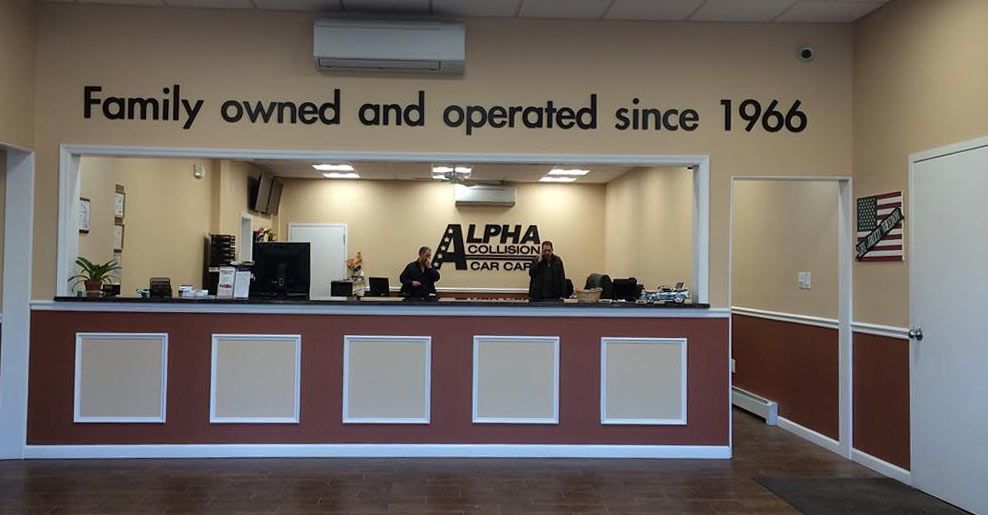
If you are dealing with significant vehicle damage on Long Island and want to understand what you are facing, the team at Alpha Collision handles auto body repair work including dents, bumpers, paint, and frame work across the Garden City Park area and surrounding communities. The factors outlined below apply broadly to complex restoration jobs and can help you frame your expectations going into the process.
The Extent and Depth of the Damage Sets the Foundation for Everything
The single most influential factor in how long a complex restoration takes is simply how much damage there is and how deep it goes. Surface-level damage that affects only the outer skin of a panel is handled very differently than damage that has transferred force into the structural components underneath. A collision that looks cosmetically severe sometimes involves relatively contained damage, while a lower-speed impact can occasionally cause hidden structural distortion that requires far more time to diagnose and correct.
Frame and unibody damage is one of the most time-intensive categories of repair. Modern vehicles use unibody construction, meaning the frame and body are integrated into a single structure. When that structure is bent or twisted, technicians must use specialized measuring and pulling equipment to bring the vehicle back within manufacturer tolerances. This is not a quick process. Measurements must be taken, adjustments made incrementally, and results verified repeatedly before the structural work can be signed off on. Only after the underlying structure is correct can the visible body work begin in earnest.
Beyond the frame itself, damage often cascades into adjacent systems. Suspension components, cooling systems, wiring harnesses, and sensors can all be affected by a significant impact. Discovering secondary damage during the teardown phase is one of the most common reasons a repair timeline extends beyond the original estimate. This is not a sign of incompetence on anyone's part - it is simply the reality of how collision energy distributes through a vehicle. Technicians can only see what they can see until panels come off and the full picture becomes clear.
Parts Availability and Supply Chain Realities Directly Impact How Long You Wait
Even when technicians are ready to work and the repair plan is fully mapped out, the job cannot proceed without the right parts. Parts availability is one of the most significant external factors affecting restoration timelines, and it is largely outside the control of the repair shop. The auto parts supply chain has experienced persistent disruptions in recent years, and the situation can vary considerably depending on the make, model, and age of your vehicle.
Several specific parts-related factors can affect how long your restoration takes:
- OEM versus aftermarket availability: Original equipment manufacturer parts are often preferred for quality and fit, but they may have longer lead times than aftermarket alternatives. The decision about which parts to use can affect both timing and cost.
- Vehicle age and rarity: Older vehicles, limited production models, or vehicles from manufacturers with smaller dealer networks in a given region may require parts to be sourced from greater distances, adding days or weeks to the process.
- Structural and mechanical components: Body panels are often more readily available than structural components, brackets, or specialized hardware. When a job requires the latter, waits can be unpredictable.
- Color-matched components: Some exterior parts come pre-painted from the manufacturer, and matching color codes on certain vehicles requires ordering components that are specific to your trim and production year.
- Supplemental parts discovery: As mentioned above, additional damage found during teardown means additional parts orders. Each new order resets a waiting period for those specific components.
The best shops communicate proactively about parts status and update their customers when new discoveries require additional orders. If you are experiencing a longer-than-expected wait, checking in on parts status is a reasonable and productive conversation to have with your repair facility.
The Complexity of Paint and Finish Work Adds Time That Cannot Be Rushed
Paint work is one of the most misunderstood phases of auto body restoration when it comes to time requirements. Many vehicle owners assume that painting a panel is a matter of hours. In reality, achieving a finish that seamlessly matches the surrounding panels on a vehicle that has years of weathering and UV exposure is a meticulous, multi-stage process that cannot be compressed without visible consequences.
The paint process on a complex restoration typically involves surface preparation, which includes stripping or sanding affected areas down to a suitable base, applying primer and sealer coats, allowing adequate dry and cure time between layers, applying the base coat, blending color into adjacent panels to prevent visible demarcation lines, applying clear coat, and then buffing and polishing to achieve the final finish. Each of these stages has its own time requirement, and many of them involve waiting periods for products to cure properly before the next step can proceed.
Color matching itself adds complexity on certain vehicles. Vehicles with tri-stage paint, pearlescent finishes, special order colors, or colors that have faded significantly over time require technicians to mix and test color samples carefully before committing to the final application. Fall weather on Long Island also introduces temperature and humidity considerations that can affect how paint products behave, potentially requiring adjustments to application techniques or extended cure times in certain conditions.
Beyond color, vehicles that have undergone extensive panel work may also need blending across multiple panels to ensure visual continuity. The larger the repair zone, the more panels are likely involved in the blend, and the more time the paint phase requires. This is not padding the timeline - it is the legitimate work required to deliver a result that does not look like a patchwork repair.
Shop Workflow, Insurance Coordination, and Approval Processes All Play a Role
Even with skilled technicians and all the right parts on hand, administrative and logistical factors can affect how quickly a complex restoration moves through the shop. Understanding these elements helps set realistic expectations and shows why timelines are rarely as simple as a straight line from drop-off to pickup.
Insurance involvement is one of the most common sources of timeline variability. When a repair is being processed through an insurance claim, the shop must often wait for an adjuster to inspect the vehicle and approve the repair estimate before work can formally begin. If additional damage is discovered mid-repair, a supplemental claim must be submitted and approved before the additional work can proceed. These approval cycles can each add days to the total timeline, even when everyone involved is working efficiently.
Shop capacity and scheduling is another honest factor. High-quality shops that perform complex restoration work are often in demand. Fall tends to bring an uptick in collision work as road conditions change and driving habits shift with the season. A shop that is operating at capacity may need to stage work across multiple vehicles, meaning your car may move through different phases of its repair in intervals rather than continuously. This is a normal and practical reality of how collision repair facilities operate.
The specific workflow sequence for a complex job also matters. Some steps must wait for others to be fully completed and inspected. Quality control checks happen at multiple points in a thorough restoration process. Skipping those checks to save time creates risks that can surface later in the form of improper fit, paint failures, or structural issues. A shop that takes the time to do these checks correctly is adding value even when it appears to be adding time.
Technician specialization is also relevant. Complex restorations often require multiple specialists - a frame and structural technician, a body technician, a paint technician, and sometimes a mechanical or electrical technician depending on what systems were affected. Coordinating that sequence of specialized work within a busy shop environment requires scheduling discipline, and transitions between specialists are another natural point where timing variability can occur.
What You Can Do to Support a Smoother, More Efficient Restoration Process
While many of the factors that influence a restoration timeline are outside the vehicle owner's direct control, there are practical steps you can take to avoid unnecessary delays and keep things moving as smoothly as possible.
- Provide complete and accurate information at intake: The more detail you can share about how the damage occurred, what you have noticed about the vehicle's behavior since the incident, and what your insurance situation looks like, the better equipped the shop is to plan comprehensively from the start.
- Respond promptly to insurance and shop communications: Approvals, supplement requests, and decision points often require your input or authorization. Delays in responding to those requests translate directly into delays in the repair.
- Understand that estimates are starting points: Initial estimates on complex jobs are based on what is visible before teardown. Additional findings are common and not a cause for alarm. Building some flexibility into your personal timeline from the beginning reduces stress when supplemental work is identified.
- Ask for regular updates: Reputable shops should be willing to provide status updates at meaningful milestones. Knowing where your vehicle is in the process helps you plan your transportation and logistics more effectively.
- Avoid pressing for shortcuts on structural or paint work: It can be tempting to push for faster completion, particularly if a rental vehicle situation is adding cost pressure. However, shortcuts in structural alignment or paint curing are the kinds of compromises that show up later and cost more to address than the time saved was worth.
Complex auto body restoration is ultimately an investment in the safety, function, and appearance of your vehicle. The timeline for that work reflects the genuine complexity of restoring a modern vehicle to proper condition after significant damage. Whether the job involves frame straightening, full panel replacement, multi-stage paint work, or coordination with an insurance carrier, every factor that extends the timeline exists for a legitimate reason rooted in the goal of delivering a result that is done correctly rather than just done quickly.
If you are located in Garden City Park, Long Island, or the surrounding communities and have a vehicle that needs complex auto body restoration work, Alpha Collision offers auto body repair services covering dents, bumpers, paint, and frame work. Reach out to their team to discuss your vehicle's specific situation and get a thorough assessment of what your restoration will involve.
SHARE THIS POST:
Author:
Alpha Collision & Car Care
Alpha Collision & Car Care provides expert auto repair, collision restoration, and maintenance services to keep your vehicle running smoothly and looking its best. With precision, quality, and customer satisfaction, we ensure your car is safe, reliable, and road-ready.
Get in touch
We're Ready To Assist You Anytime
Blog - Website Form
Search an article
Blog
Recent Articles


GET HELP WITH YOUR INSURANCE CLAIM
Reporting an insurance claim can be a major inconvenience. Call Alpha, we can make your insurance claim seamless.
Sign Up For Updates
Sign Up Now & Enjoy 10% Off Your First Service
Sign up today and receive
10% off your first service! Experience expert auto care with quality repairs and maintenance.